Right to repair obligation
Battery Regulation
We take on all responsibilities as your
full-service partner so that you are immediately compliant
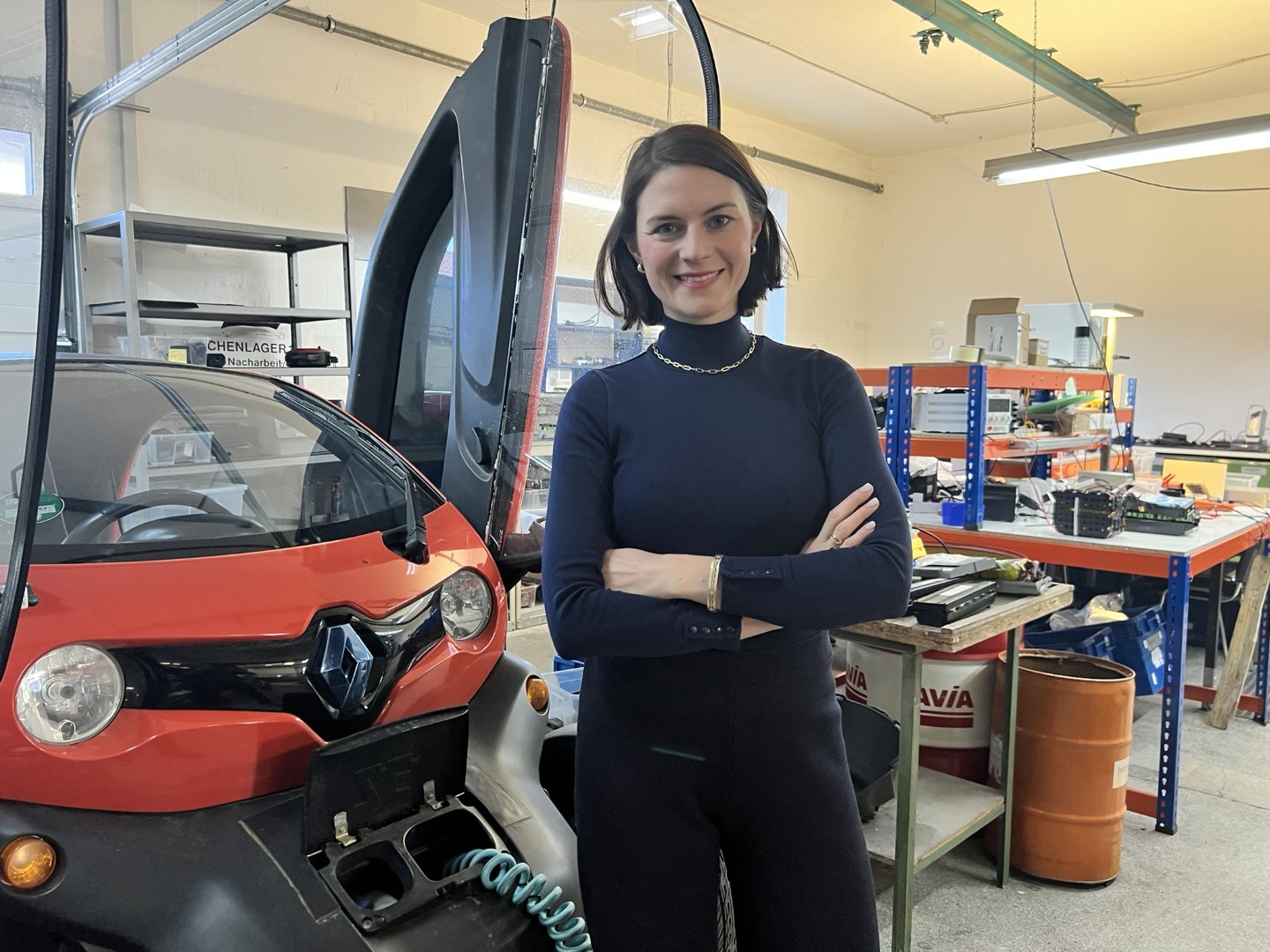

Ready for the right to repair? We’ll get your company ready for EU Directive 2024/1799.
Why 2026 will be a decisive year for every e-bike battery and e-scooter battery
The new EU Directive 2024/1799 requires manufacturers to offer their customers a straightforward, cost-effective repair service from July 2026 onwards, regardless of the sales channel. This affects all light vehicle batteries (e-bikes, e-scooters, LMTs).
What this means for OEMs:
- Primary repair obligation for the manufacturer, even without a direct end customer contract!
- In future, a product will be considered defective if it cannot be repaired.
- Software lock ban: Firmware must not hinder repairs.
- Battery Regulation Interface: EU Regulation 2023/1542 stipulates additional requirements for the reparability of LMT batteries and take-back and recycling rates.
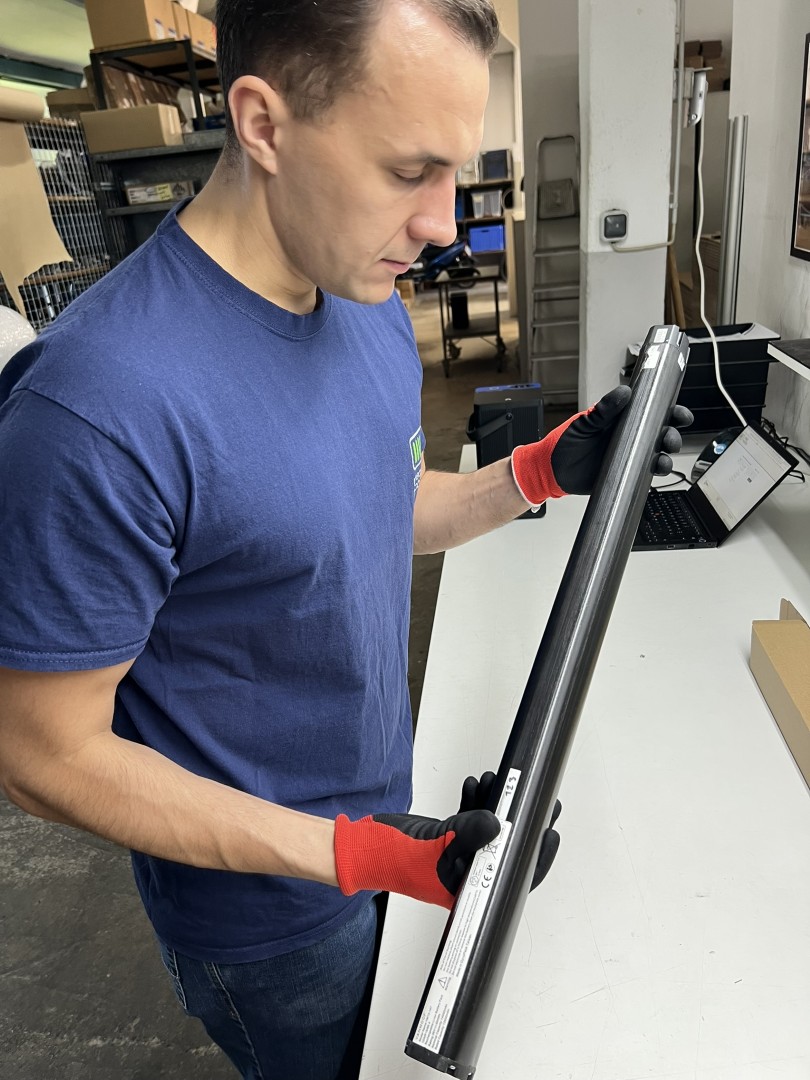
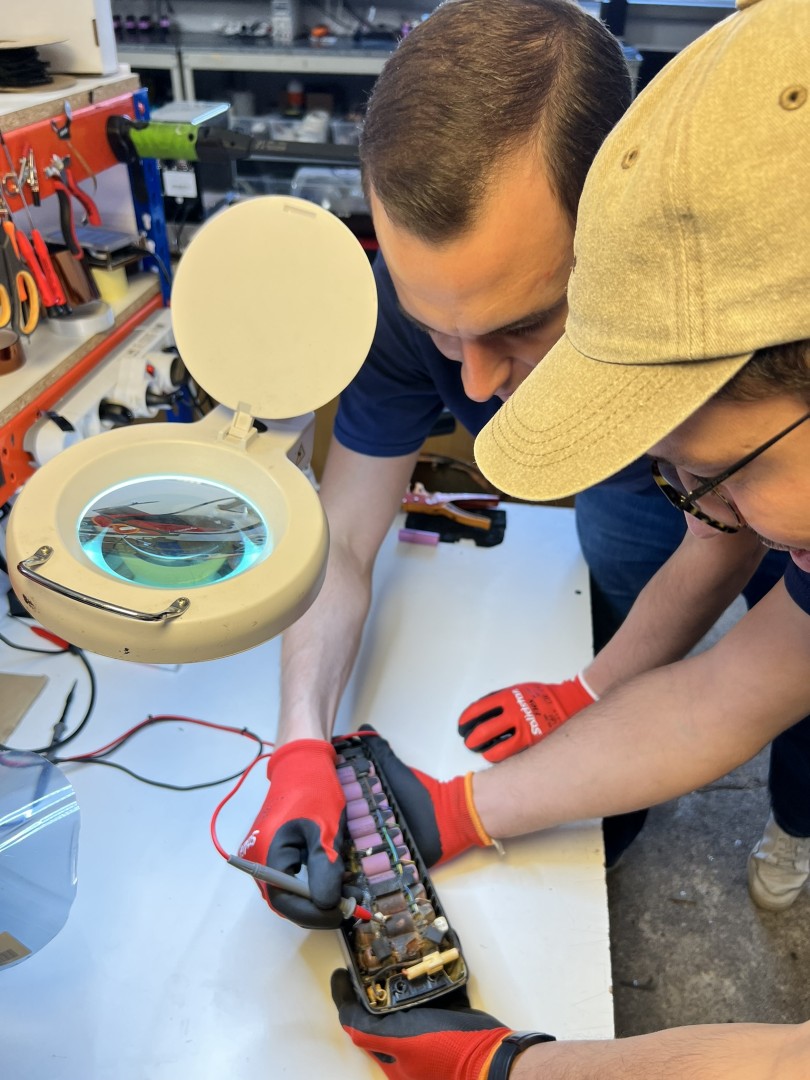
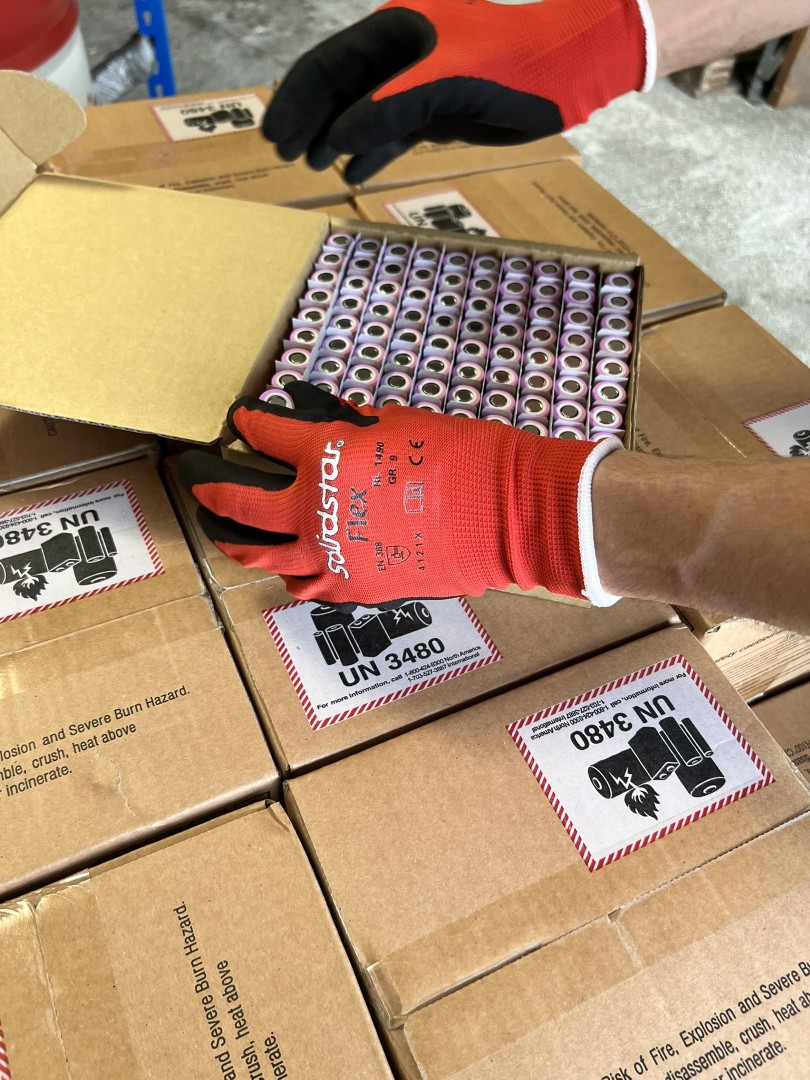
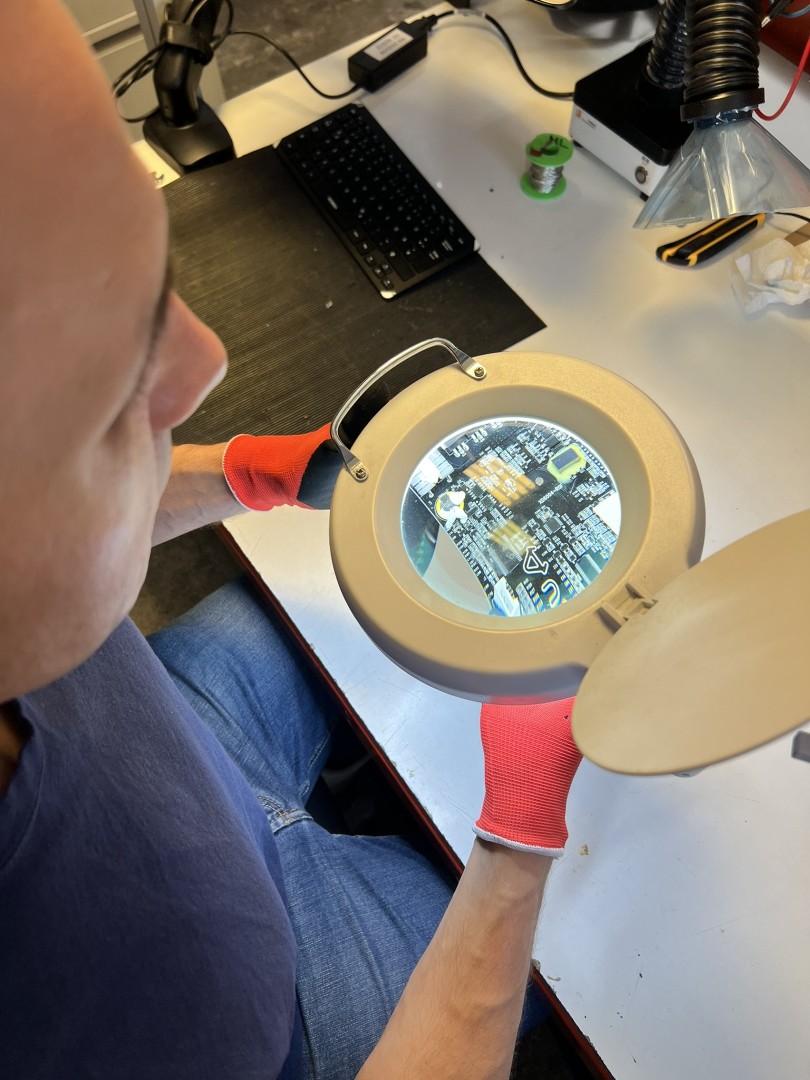
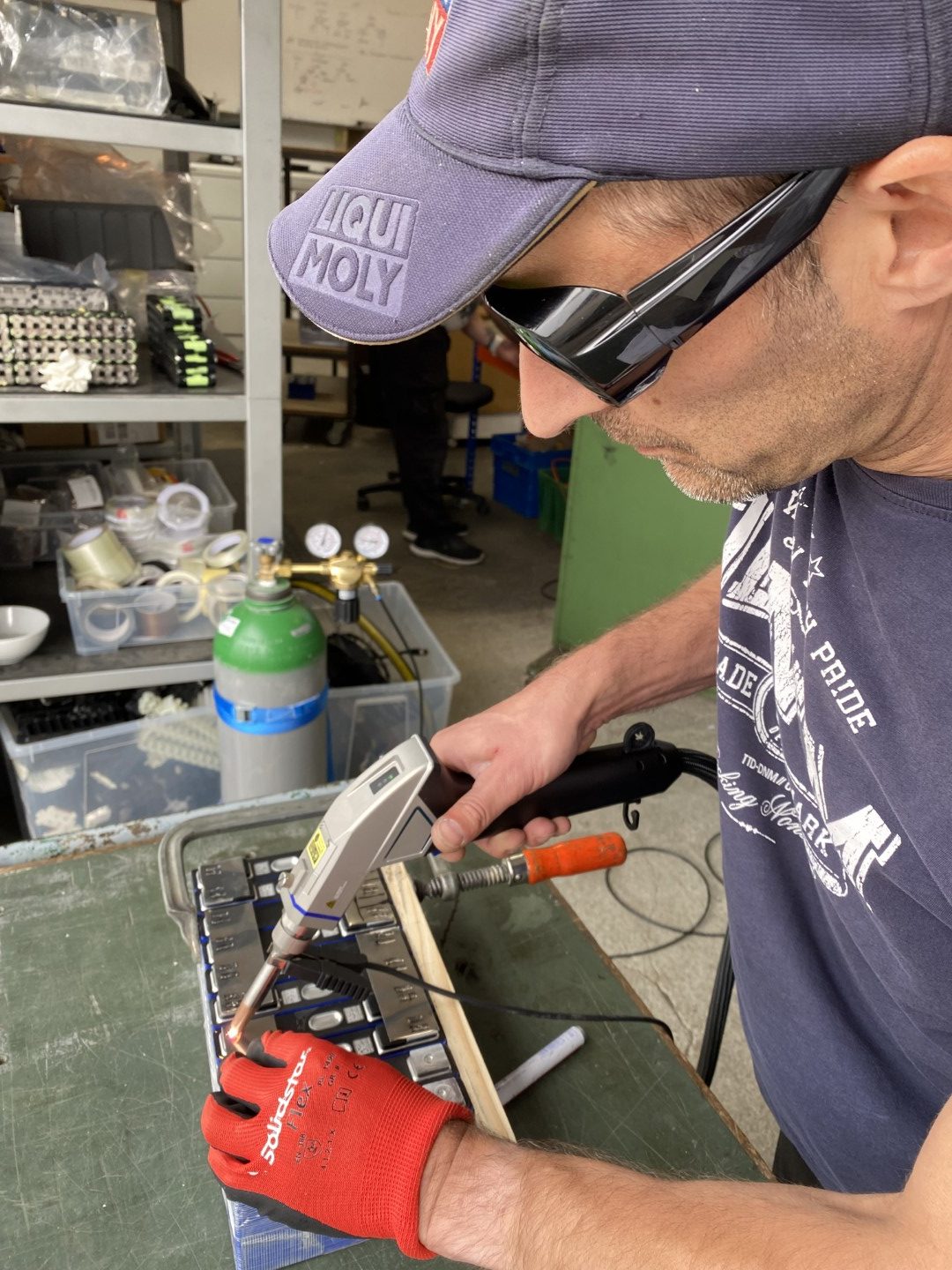
White label repair:
Processing under your brand name – perfect customer experience
R2R-Concierge-Portal:
Digital workflow for warranty and goodwill cases (digital twin)
Zero-Setup-Costs
Hardly any system or personnel costs
Permanent Compliance Check
Monitoring of the R2R Directive and Battery Regulation
F&E-Feedback
Useful real-world field data for product development and improvement
ESG-Reporting
CO₂ savings per repair for sustainability reports and green claims

Frequently asked questions (FAQ) about the right to repair
Stationary battery energy storage systems (BESS): New obligations – and how Medimobility supports implementation
The new Battery Regulation (EU) 2023/1542 places far-reaching requirements on manufacturers, producers, distributors and importers of batteries – particularly in the area of batteries for light means of transport (LMT batteries) and stationary battery energy storage systems (BESS). The aim is to promote the circular economy, increase product safety and make supply chains more sustainable. Compliance with these requirements is mandatory, and violations can result in severe penalties.
Medimobility supports manufacturers, producers and importers, distributors, system integrators and service partners in implementing these complex requirements in a technically sound, legally compliant and efficient manner.
Battery Regulation (EU) 2023/1542: Medimobility as a strong partner for manufacturers, importers and distributors of LMT and BESS batteries
Key requirements from Article 11:
- Removability and interchangeability (repairability)
- LMT batteries must be replaceable by independent specialists – even after the warranty has expired.
- Individual battery cells contained in the battery pack must be easily removable and replaceable by independent specialists at any time during the battery’s service life (repairability by design).
- Prohibition of software barriers
- Any software that prevents the repair or use of compatible replacement parts is prohibited.
Support from Medimobility:
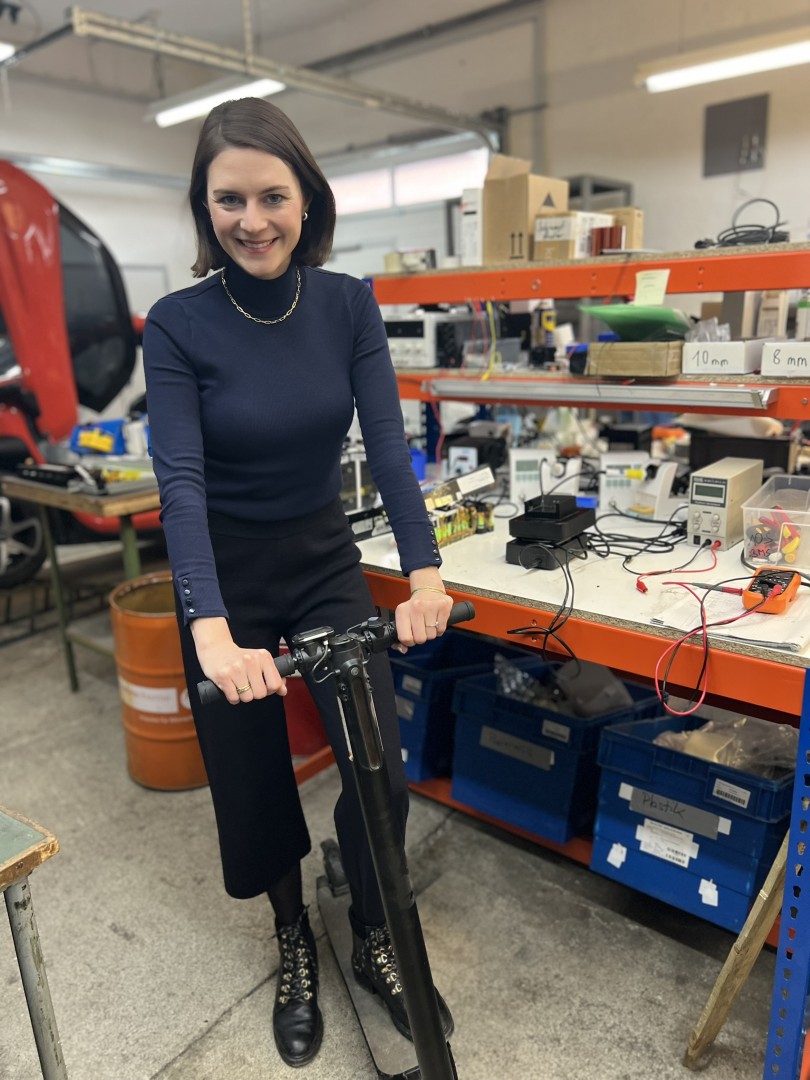
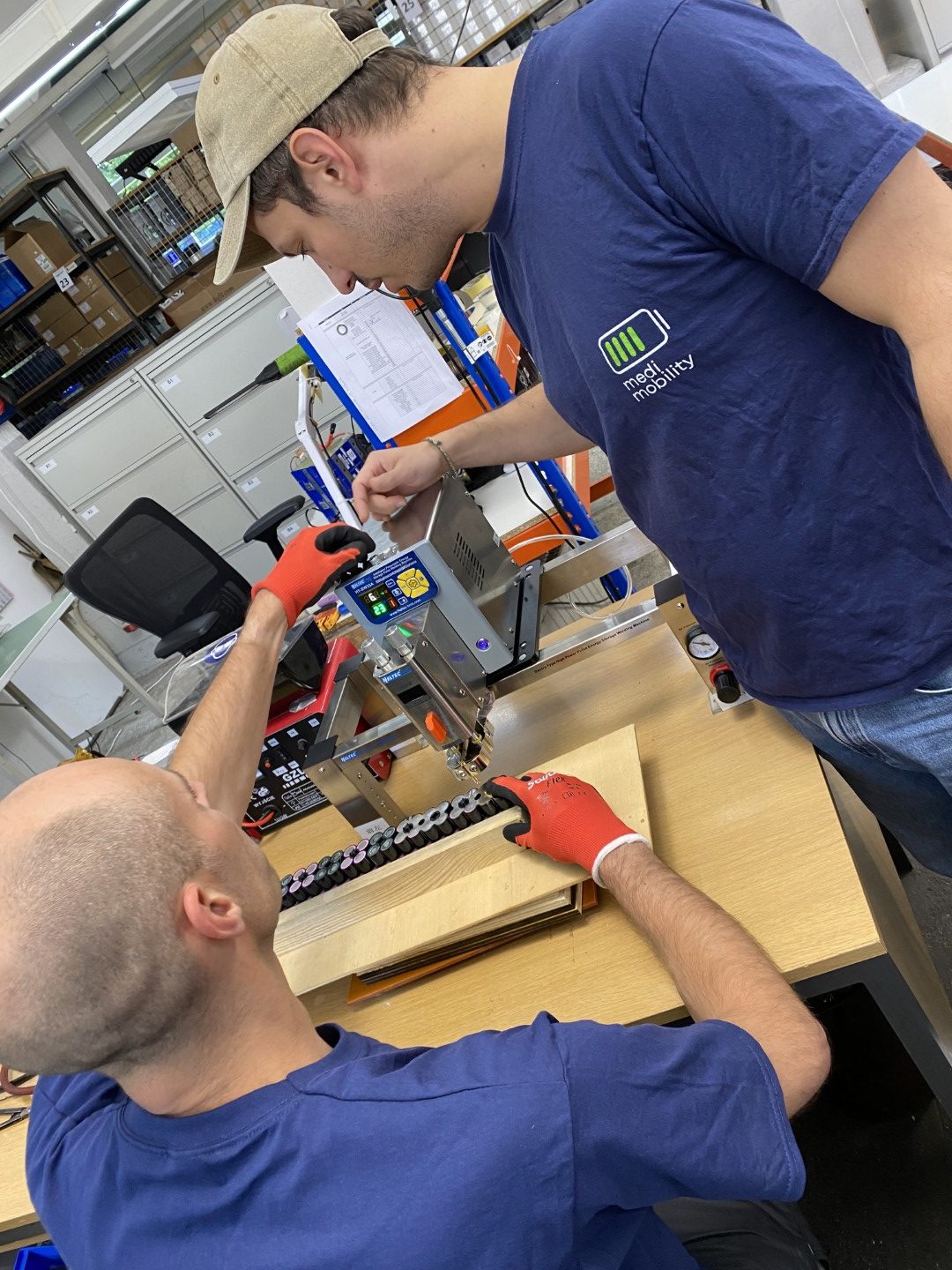
- Repair of LMT batteries, cell and module replacement, and BMS replacement
- Spare parts installation including quality assurance
In addition to interchangeability, reparability and spare parts supply, the following mandatory requirements are expected to apply to LMT batteries (e.g. e-bikes, e-scooters) in accordance with Battery Regulation (EU) 2023/1542:
- CO₂ footprint certification (carbon footprint)
In future, manufacturers will have to determine and document the carbon footprint for each model of LMT battery. - Recycling targets and use of recycled materials
In addition, recycled material content and recovery rates (e.g. lithium, cobalt) are specified. - Restrictions on substances
- Battery passport & digital labelling
From 2027, a digital battery passport for LMT batteries will be mandatory, accessible via QR code. This will contain information on material composition, recycling, carbon footprint, safety and maintenance. - Performance and durability requirements
Minimum standards for service life, charging cycles and performance must be documented. - Supply chain due diligence
Manufacturers and importers must analyse and address risks in the raw material supply chain (e.g. lithium, cobalt, nickel, graphite). Independent verification (e.g. by notified bodies) must be demonstrated by August 2027 at the latest. - CE marking & technical compliance
The market entry of LMT batteries requires CE marking, technical documentation and conformity assessment.
Classification and objectives of the Regulation
With increasing electrification, charging infrastructure and decentralised energy supply, stationary battery energy storage systems (BESS) are becoming increasingly important. These systems store electrical energy connected to the grid or from generation plants (e.g. photovoltaics) and make it available when needed. According to Article 3(14) of the Battery Regulation (EU) 2023/1542, BESS are considered industrial batteries that must meet specific safety, sustainability and information technology requirements.
The EU Battery Regulation makes it clear that BESS are subject to a comprehensive product and sustainability regime – from the time of manufacture and placing on the market to reuse, repair or disposal. Manufacturers and importers are equally obliged to implement these requirements in a legally compliant manner. The regulation has both technical and procedural implications, which require a thorough understanding of product compliance requirements.
Technical and legal obligations
1. Product safety and CE conformity (Articles 12, 38, Annex VIII)
- BESS must be able to be operated safely under normal use. This requires risk analyses, safety concepts and specific design and instructional measures.
- Safety must be documented and technically verified – in particular by means of a technical dossier in accordance with Annex V and a conformity assessment procedure (Module D1 or G).
- Only after successful assessment may a CE marking be affixed and an EU declaration of conformity issued.
2. Labelling, manufacturer information and QR code (Articles 13 and 19)
- All BESS systems must be equipped with:
- CE mark,
- Manufacturer details (name, address, website/email if applicable),
- Symbol for separate collection (crossed-out bin),
- and, from 2027 onwards, a QR code for the digital battery pass.
3. Battery Pass & digital traceability (Art. 77 ff.)
- From 18 February 2027, every BESS must have a digital battery passport:
- with information on material composition, carbon footprint, safety documentation, maintenance instructions, etc.
- Accessible via QR code
4. Battery management systems (Article 14, Annex VII)
- From August 2024, every BESS must have an intelligent BMS that:
- Ageing condition and service life recorded,
- relevant parameters (voltage, temperature, charge cycles, cell balance) are logged,
- makes this data available to operators in digital form.
5. Carbon footprint and sustainability obligations (Articles 7, 8, 10)
- Expected from 2026: Proof of the carbon footprint per battery model and production site.
- From 2027: Compliance with performance and durability requirements.
- From 2031: Mandatory recycled content for metals contained:
- 16% cobalt, 85% lead, 6% lithium, 6% nickel (if present).
- Furthermore, substance bans and restrictions in accordance with the REACH Regulation apply.
6. Supply chain and due diligence obligations (Art. 47 ff.)
- From 18 August 2027, manufacturers and importers must document their supply chains, analyse risks and take countermeasures.
How Medimobility supports manufacturers and operators in achieving BESS compliance
Medimobility offers comprehensive technical and regulatory services to efficiently and practically fulfil EU BattVO obligations:
Repair and refurbishment of BESS systems
- Replacement of cell modules, BMS components, protective devices
- Repair and upgrade of existing battery systems while maintaining compliance
- Functional testing, safety analysis and documentation for reuse
- Installation and configuration of BMS units, including service life data analysis
The requirements for stationary battery energy storage systems (BESS) under the EU Battery Regulation are complex and gradually increasing – but they affect all relevant economic actors: from manufacturers and system integrators to operators.
Medimobility is at your side as an experienced and competent partner. With technical expertise, regulatory knowledge and practical implementation skills, Medimobility accompanies you on the path to safe, sustainable and legally compliant use of your BESS systems.